Tips for Computer Screen Eye Protection


Did you know that the average office worker spends 1,700 hours per year in front of a computer screen, without even considering the time spent on a phone or other digital device? All this screen time has led to an increase in complaints of eye strain, dry eye, headaches and insomnia. Computer use causes more eye strain than reading print material because focusing your eyes on computer screens or other digital screens is typically at less than ideal angles and distances and your blink rate decreases by a third to a half, causing dry eyes as well. Follow these simple tips for protecting your eyes from this computer screen eye strain:

Keep Your Distance: Keep the screen at arm’s length, about 25 inches away and position it so your eye gaze is slightly downward.

Reduce Glare: Use a matte screen filter to reduce glare.

Adjust Lighting: Adjust your room lighting to get the highest screen contrast increase the contrast on your screen as much as possible.

Take Breaks: Blink and follow the 20-20-20 rule. Take a break every 20 minutes by looking at an object 20 feet away for 20 seconds.

Keep Eyes Moist: Keep artificial tears nearby to lubricate your eyes when they feel dry.

Stop Screen Use Before Bed: Limit screen time one to two hours before bedtime and use nighttime settings on devices and computers that minimize blue light exposure.

If you experience consistently dry red eyes or eye pain at any time, but especially with computer screen use please schedule an eye exam at The Eye Clinic of Texas, an affiliate of Houston Eye Associates, at 800-423-3937, visit The Eye Clinic of Texas, or Facebook.

The Eye Clinic of Texas is an affiliate of Houston Eye Associates, the largest ophthalmology clinic in the nation. We are a leading eye care practice serving the greater Houston, League City and Texas City with offices at 1100 Gulf Freeway, Suite 114, League City, Texas 77573.

Cataract Surgery Improves Driving Safety

Did you know that cataract surgery actually improves driving safety? The ability of cataract surgery to restore sight is well known. Patients say they’re stunned by the vibrancy of color after surgery and the improvement in night vision. Depending on the type of lens implant (IOL) selected to correct your vision after cataract surgery many patients no longer even need to wear glasses, reading glasses or bifocals after cataract surgery. Researchers reporting at a recent

Meeting of the American Academy of Ophthalmology used a driving simulator to test patients’ vision before and after cataract surgery. They found that near misses and crashes decreased by 48 percent after surgery! While visual acuity-how well you see the eye chart-is quickly measured after cataract surgery, it’s an incomplete assessment of how visually able you might be to drive. Cataract surgery appears to improve quantity of vision, or visual acuity, as well as contrast sensitivity leading to better night vision and improving drivers’ safety on the road.

These results highlight the importance of timely cataract surgery in maintaining safety and continued mobility and independence in seniors. If you or someone you know is experiencing cataract symptom such as cloudy foggy vision, glare or difficult night driving and would like to learn more about cataract surgery & lens implants please schedule a cataract evaluation. Call The Eye Clinic of Texas, an affiliate of Houston Eye Associates, at 800-423-3937, visit The Eye Clinic of Texas, or Facebook.

The Eye Clinic of Texas is an affiliate of Houston Eye Associates, the largest ophthalmology clinic in the nation. We are a leading eye care practice serving the greater Houston, League City area with offices at 1100 Gulf Freeway, Suite 114, League City, Texas 77573.

Sleep Apnea & Diabetic Eye Problems?


If you have diabetes, did you know that having severe sleep apnea may increase your risk of developing diabetic macular edema, a complication of diabetes that can cause vision loss or blindness? Diabetic Macular Edema (DME) also appears to be more difficult to treat in patients with severe sleep apnea according to reports from researchers at the Annual Meeting of the American Academy of Ophthalmology.

Sleep apnea is a sleep disorder in which breathing repeatedly stops and starts, disrupting sleep and causing blood oxygen levels to drop. This drop in oxygen appears to unleash a host of changes in the body that may play a role in injuring blood vessels. People with sleep apnea are at risk of developing hypertension, heart attacks, stroke and type 2 diabetes. When people with diabetes have poor control over their blood sugar levels, the tiny blood vessels at the back of the eye can become damaged. Sometimes, tiny bulges protrude from the blood vessels, leaking fluid and blood into the retina. This fluid can cause swelling or edema-called Diabetic Macular Edema (DME) in an area of the retina that allows us to see clearly. Researchers believe that sleep apnea may contribute to the development and worsening of diabetic retinopathy by increasing insulin resistance, elevating inflammation and raising blood pressure, all of which can damage the blood vessels at the back of the eye.

If you or someone you know is diabetic and especially if you suffer from sleep apnea, please be sure to have an annual eye exam and be tell your eye doctor that you suffer from sleep apnea as it is a risk factor Diabetic Macular Edema (DME). Please call us to schedule a diabetic eye exam at The Eye Clinic of Texas, an affiliate of Houston Eye Associates, at 800-423-3937, visit The Eye Clinic of Texas, or Facebook.

The Eye Clinic of Texas is an affiliate of Houston Eye Associates, the largest ophthalmology clinic in the nation. We are a leading eye care practice serving the greater Houston, League City and Texas City with offices at 1100 Gulf Freeway, Suite 114, League City, Texas 77573.

Diabetics Need Annual Eye Exams!


Diabetes and the related diabetic eye problem of diabetic retinopathy is the leading cause preventable blindness in the United States among adults age 20 to 74. About 1/3 of the 30 million Americans with diabetes have diabetic retinopathy. With early detection and treatment vision loss from diabetes is preventable! Often, people may not notice vision changes in the disease's early stages. But as it progresses, diabetic retinopathy usually causes vision loss that in many cases cannot be reversed. Even if you don’t notice changes in your vision-diabetics should have annual eye exams. That’s why it’s so important that everyone with diabetes has yearly exams for early detection. But the U.S. Centers for Disease Control and Prevention still reports that less than 2/3 of people with diabetes undergo their recommended annual dilated ophthalmic examination. We all lead busy lives but diabetics need annual eye exams to prevent vision loss.

If you or someone you know is diabetic please remind them to have an annual eye exam or call us to schedule a diabetic eye exam at The Eye Clinic of Texas, an affiliate of Houston Eye Associates, at 800-423-3937, visit The Eye Clinic of Texas, or Facebook.

The Eye Clinic of Texas is an affiliate of Houston Eye Associates, the largest ophthalmology clinic in the nation. We are a leading eye care practice serving the greater Houston, League City with offices at 1100 Gulf Freeway, Suite 114, League City, Texas 77573.

Avoid Eye Injury from Halloween Contacts

Spooky contact lenses can complete your Halloween costume. But beware of the dangers of illegal costume contact lenses lurking on store shelves and invading online retailers. Though the federal government works to keep illegal and harmful versions of decorative or color contact lenses off the shelves, they can still be purchased at costume shops, gas stations, corner shops and online. Here’s an easy way to tell if your lenses are counterfeit: Can you purchase them without a prescription? If the answer is yes, those creepy lenses are a danger to your vision.

That's why the American Academy of Ophthalmology is urging people to buy decorative contact lenses only from retailers who require a prescription and sell FDA-approved products. It’s easy to forget that decorative lenses are medical devices, not costume jewelry. They must be prescribed and fitted by an eye care professional, just like regular contact lenses. That's because a poorly fitted contact lens can easily scrape the cornea, the outer layer of the eye, making the eye more vulnerable to infection-causing bacteria and viruses. Research shows that people who purchase contacts without a prescription face a 16-fold increased risk of developing an infection.

To help ensure you won’t be haunted by a ghoulish and painful contact lens-related eye infection, here are some tips to follow:
  • See an Eye Care Professional for a Prescription for Costume Contact Lenses. Packaging that claims “one size fits all” or “no need to see an eye doctor” is false. Get properly fitted by an ophthalmologist or optometrist.
  • Buy Only FDA-approved Contacts. Buy contacts only from eye care professionals or retailers that require a prescription and sell FDA-approved lenses.
  • Never Share Contacts. Sharing contacts can spread germs and bacteria, potentially causing blinding corneal infections and even pink eye.
  • Practice Good Hygiene. It is important to follow directions for cleaning, disinfecting and wearing costume contacts. See an eye doctor right away if you notice any swelling, redness, pain or discharge from wearing contacts.
  • Limit Wear of Colored Contact Lenses to 4-5 Hours. The dye and less expensive materials used in costume lenses can restrict oxygen flow to the cornea. Less “breathable” lenses are less healthy for the eye. Never sleep in contact lenses, even if you have a prescription.
  • Spread the Word About the Dangers of Costume Contacts. Don’t let friends make the mistake of wearing costume contacts without a prescription. It can cost them their vision.
If you or someone you know has questions about or needs a fitting for Halloween colored contact lenses please schedule an appointment at The Eye Clinic of Texas, an affiliate of Houston Eye Associates, at 800-423-3937, visit The Eye Clinic of Texas, or Facebook.

The Eye Clinic of Texas is an affiliate of Houston Eye Associates, the largest ophthalmology clinic in the nation. We are a leading eye care practice serving the greater Houston, League City and Texas City with offices at 1100 Gulf Freeway, Suite 114, League City, Texas 77573 and 7111 Medical Center Drive, Suite 110, Texas City, Texas 77590.

Tips for Kitchen Eye Safety


Did you know that the kitchen can be a source of many common eye hazards? Preparing healthy, nutritious and delicious meals for family and friends is mainstay of American life! But, based on what we see and hear from patients, preparing those meals can be hazardous and requires a few tips and safety strategies to make them the most enjoyable. As is ALWAYS the case with eye injuries, Prevention is the Best Strategy!

Hot Grease & Splatter

When frying, sautéing or using oil use caution and consider “cooking glasses” as a means of protection. Hot cooking oil and grease can easily splash onto the eye and burn your cornea. This fairly common injury can be avoided by wearing glasses or, at the very least, using a grease shield or lid on the pan. If hot grease splashes in your eye, immediately flush it with plenty of water. This will remove the grease and any particles. Don't use anti-redness drops to rinse your eye. Artificial tears may soothe your eyes after a small grease splash but see your eye doctor as soon as possible if there is obvious injury, excessive pain, continuing symptoms or you're worried about your eye. You may be more susceptible to eye infections or other eye injuries while your eye is healing.

Bubbling Sauces & Splashes

Watch out for bubbling sauces and splashing liquids. Any liquid that splashes in your eye can be uncomfortable. But food liquids may be especially dangerous because they are often acidic and can cause your eyes to tear up and sting.  Some foods, like raw chicken liquid, contain bacteria that could cause an eye infection. Simmering sauces can splash out of the pot and burn or blister your eye. If this happens, flush your eye with plenty of water.  See an eye doctor right away if you see any damage to your eye or if any of your symptoms continue.

Spicy Residues

When you chop jalapeño peppers or use other spicy ingredients, your fingers retain oily residues that can end up in your eyes. Wash your hands thoroughly after preparing food. Or better yet, wear gloves while chopping vegetables and working with spices. If pepper or spice oils end up in your eye, flush with plenty of water and then wash your eyelids and the area around your eye with baby shampoo. Never put any soap directly in your eye.

Raw Meat

Raw meat is not a safe or effective treatment for black eyes. In cartoons and old movies, people often put a raw steak on a black eye. This is not safe. The bacteria on raw meat can cause a serious eye infection. Other packaged frozen foods, like bagged frozen vegetables, could be contaminated by bacteria in your freezer or kitchen. It's safer to use an ice pack or ice cubes wrapped in a clean towel. Please call us if you develop any serious symptoms after getting a black eye, particularly redness, pain, flashes of light or floaters-and especially if you experience continued blurred vision!

Prevention of kitchen eye injury is a great strategy for enjoying cooking. Use protective eyewear and caution to avoid any risks. If you experience and type of eye injury or irritation please feel free to call us and an eye doctor will be happy to see you. Please call us at The Eye Clinic of Texas, an affiliate of Houston Eye Associates, at 800-423-3937, visit The Eye Clinic of Texas, or Facebook.

The Eye Clinic of Texas is an affiliate of Houston Eye Associates, the largest ophthalmology clinic in the nation. We are a leading eye care practice serving the greater Houston, League City and Texas City with offices at 1100 Gulf Freeway, Suite 114, League City, Texas 77573.
Does Eye Patching Work for Kids with Lazy Eye?

Amblyopia or Lazy Eye is the most common cause of single eye vision poor vision in children. Amblyopia is most often caused by an eye turning problem-strabismus (crossed eyes or turned out eyes), an uncorrected refractive error such as nearsightedness, farsightedness or astigmatism in one eye more than the other or by some other type of visual deprivation such as a pediatric cataract. The standard treatment is correcting the refractive error with eyeglasses and patching of the better seeing eye. Researchers looked at a large group of children over 15 years to see how well the amblyopic children maintained their vision. Generally, this occlusion therapy is a very successful treatment. However, its success is hampered by non‐compliance. The level of non compliance was directly related to: a) a low initial visual acuity b) poor parental fluency in the national language and c) a low parental level of education. They found that with strong parental education about the children, their vision and success with patching, the compliance could be improved significantly and thus the vision as well.

If you or someone you know has a child with an eye turning problem or appears to have other eye health or vision problems, please do not wait. Schedule an eye exam at The Eye Clinic of Texas, an affiliate of Houston Eye Associates, at 800-423-3937, visit The Eye Clinic of Texas, or Facebook.

The Eye Clinic of Texas is an affiliate of Houston Eye Associates, the largest ophthalmology clinic in the nation. We are a leading eye care practice serving the greater Houston, League City area with offices at 1100 Gulf Freeway, Suite 114, League City, Texas 77573.

Bright Days with Cataract Surgery

“I had a great experience! I love Dr. Milstein and his staff. They always take such good care of me. My vision is so much brighter. I highly recommend Dr. Milstein to all my friends.” – Becky S.

If you or someone you know is experiencing cataract symptoms such as cloudy foggy vision, glare or difficult night driving and would like to learn more about cataract surgery & lens implants please call The Eye Clinic of Texas, an affiliate of Houston Eye Associates, at 800-423-3937, visit The Eye Clinic of Texas, or Facebook.

The Eye Clinic of Texas is an affiliate of Houston Eye Associates, the largest ophthalmology clinic in the nation. We are a leading eye care practice serving the greater Houston, League City and Texas City with offices at 1100 Gulf Freeway, Suite 114, League City, Texas 77573.

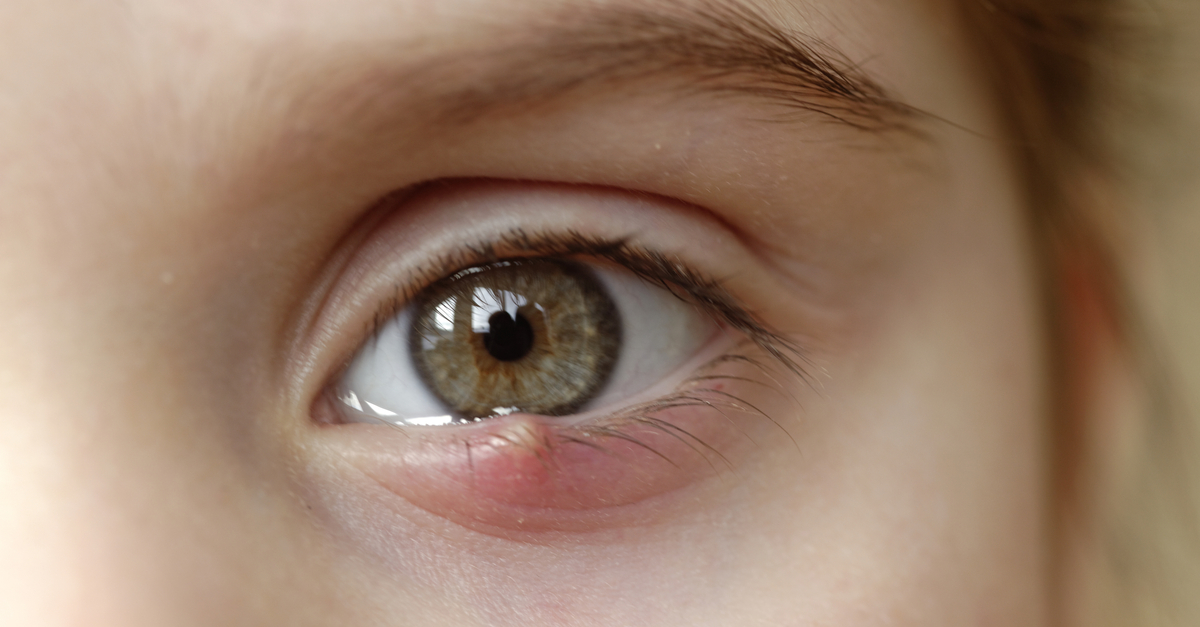
What is a Stye?


A stye-also called a Hordeolum-is a red, sore lump near the edge of the eyelid that grows from the base of your eyelash or under the eyelid. Most styes are caused by a bacterial infection. There are two kinds of styes:

·        External Hordeolum: A stye that begins at the base of your eyelash often from an infection in the hair follicle that looks like a pimple.

·        Internal Hordeolum: A stye inside your eyelid that is caused by an infection in an oil-producing gland in your eyelid.


You can also get a stye if you have blepharitis-an inflammation of your eyelids- that makes your eyelids at the base of the eyelashes red and swollen. When you first get a stye, your eyelid is probably red and tender to the touch. Your eye may also feel sore and scratchy.

There are a number of ways your doctor can treat a stye including warm compresses, antibiotics or in office surgery if the other treatments aren’t helping. Never squeeze a stye!

If you or someone you know has a stye please schedule an appointment at The Eye Clinic of Texas, an affiliate of Houston Eye Associates, at 800-423-3937, visit The Eye Clinic of Texas, or Facebook.

The Eye Clinic of Texas is an affiliate of Houston Eye Associates, the largest ophthalmology clinic in the nation. We are a leading eye care practice serving the greater Houston, League City and Texas City with offices at 1100 Gulf Freeway, Suite 114, League City, Texas 77573.

Life Changing LASIK Experience

“The LASIK procedure was simple as I had heard. My life has changed from having to look for my glasses, to just getting up and seeing perfect. Wish I would have done this procedure a long time ago. Life changing!” – Alberto D.

If you or some you know is tired of the hassle of glasses or contact lenses for seeing at distance and would like to find out if LASIK or SMILE might be a good vision correction option, please call The Eye Clinic of Texas, an affiliate of Houston Eye Associates, at 800-423-3937, visit The Eye Clinic of Texas, or Facebook.

The Eye Clinic of Texas is an affiliate of Houston Eye Associates, the largest ophthalmology clinic in the nation. We are a leading eye care practice serving the greater Houston, League City and Texas City with offices at 1100 Gulf Freeway, Suite 114, League City, Texas 77573.

Herpes Zoster Vaccine: Should You Have It?

Herpes Zoster Ophthalmicus (HZO) is a type of eye infection caused by the Herpes Zoster virus. While most people know of different types of Herpes virus, most are not familiar with the devastating consequences including vision loss of HZO. In addition, recent studies reported in Ophthalmology, showed that the incidence of HZO has increased 3.6% per year from 1994 to 2018 in the United States. Yet, the vaccination rate for Herpes Zoster remains low. The American Academy of Ophthalmology Public Health Committee suggests that greater efforts should be made to vaccinate eligible adults 50 years of age and older according to recommended schedules. If you are over 50 and have not had a Herpes Zoster vaccination ask your primary care doctor if you are eligible and whether it is important for you to consider. Call us at The Eye Clinic of Texas, an affiliate of Houston Eye Associates, at 800-423-3937, visit The Eye Clinic of Texas, or Facebook.

The Eye Clinic of Texas is an affiliate of Houston Eye Associates, the largest ophthalmology clinic in the nation. We are a leading eye care practice serving the greater Houston and League City with an office at 1100 Gulf Freeway, Suite 114, League City, Texas 77573.

Eye Drops for Droopy Eyelids

Did you know that there is a prescription eye drop to help droopy eyelids? It is estimated that 10-12% of adults have a droopy eyelid, but m...