More players in the National Football League (NFL) are using visors to protect their eyes than ever before, despite visors being optional. That's according to new research published in Ophthalmology, the journal of the American Academy of Ophthalmology. Visors shield players' eyes from injury. Tinted visors offer added protection from the sun. About 41% of defensive players and 24% of offensive players wore visors during the 2019-2020 season, the report found. Linebackers, running backs and defensive backs were much more likely than other positions to wear a visor. The study examined all 32 teams in the NFL.
Ophthalmologists Urge NFL to Make Visors Mandatory
Sport-related eye injuries can be devastating and career-ending. Over the past five seasons, 16 NFL players sustained eye injuries ranging from eye gouges to fractures of the bone around the eyes, corneal abrasions and cuts to the eyelid, the study revealed. Because so many players are already using visors and because visors don’t hinder performance the ophthalmologists who authored the study urge the NFL to take a stronger stand on visor usage. Athletes on college, high school or community football teams should also wear visors, the authors note. Amateur leagues may not have access to the same equipment and resources that NFL players do, which could result in more significant eye injuries. The Academy has categorized football as a sport with a moderate risk of eye injury and recommends the usage of a polycarbonate eye shield or visor for protection.

Information about Bladeless All Laser LASIK, Cataract Surgery & Lens Implants, Eye Exams for Diabetic Retinopathy, Macular Degeneration and Glaucoma in greater Houston & League City.
Casual Wine Drinkers Less Likely to Get Cataracts

A glass of wine a day may keep the doctor away,
according to a new study from Moorfield’s Eye Hospital NHS Foundation Trust and
University College London. The study was published in Ophthalmology and
showed people who drank low to moderate amounts of alcohol were less likely to
need cataract surgery. Reviewing data from 490,000 volunteers,
research suggested that low to moderate wine drinkers in particular were the
least likely to develop cataracts compared with nondrinkers and drinkers of
other types of alcohol. This study is the largest of its type to date.
What
Are Cataracts?
A cataract is when your eye's natural lens becomes cloudy. Proteins in
your lens break down and cause things to look blurry, hazy, or less colorful.
Treatment includes surgery, where the cataract is removed and replaced with a
clear artificial lens.
What
Is Considered Moderate Drinking?
Moderation was a key takeaway from this
research. People who drank more than the suggested amount on a daily basis had
about a 6 percent higher risk of cataract surgery compared to people who drank
low to moderate amounts of alcohol. Moderate drinking was defined as about 6.5
glasses of wine a week.
Is
Wine Good For Eye Health?
Previous studies have also suggested that red wine and diets rich in antioxidants may prevent cataract development. Cataract
development may be due to gradual damage from oxidative stress during aging.
The fact that the findings were particularly evident in wine drinkers may
suggest a protective role of polyphenol antioxidants, which are especially
abundant in red wine. However, researchers remind the public that drinking
alcohol regularly is also linked to many serious chronic conditions, including
heart disease, diabetes, and cancer, and that this study does not suggest
excessive drinking or drastic lifestyle changes.
If you or
some you know is experiencing cataract symptoms such as cloudy foggy vision,
glare or difficult night driving and would like to learn more about cataract
surgery & lens implants please call The Eye Clinic of Texas, an affiliate of
Houston Eye Associates, at 800-423-3937, visit The Eye
Clinic of Texas,
or Facebook.
Early Signs of Heart Disease Appear in the Eyes

Eye doctors may be able to detect signs of heart
disease during a comprehensive eye exam, experts say. A new study finds that people with heart disease tend to
have retinas marked by evidence of eye stroke.
Eye strokes happen when the eye is deprived of
blood flow and oxygen, causing cells to die. This creates a mark, called a
retinal ischemic perivascular lesion. These marks can be spotted when
ophthalmologists use an imaging tool called optical
coherence tomography, or OCT, to take a
close look at the retina.
OCT scans of the retina are valuable ways to detect disease and dysfunction in all
parts of the body — not just the eyes, says ophthalmologist and Academy
spokesperson Joseph Nezgoda, MD, a retina specialist. Eye scans can detect
signs of Alzheimer’s, Parkinson’s and other underlying health
conditions.
How
Eye Exams Can Detect Heart Disease
The eye is the only place in the body where a
doctor can see the live action of blood vessels, nerves and connecting tissue
without relying on an invasive procedure. That’s why eye
doctors are often the first to detect health conditions including high blood pressure, high
cholesterol, stroke and more. While the marks left behind by eye strokes may
be present in low numbers in healthy people, those with heart disease tend to
have a far greater number. Researchers arrived at these results by
reviewing the medical records of 84 people with heart disease and 76 healthy
people, all of whom had received a retinal OCT scan.
Catching
Heart Disease Early Can Save Lives
The new study adds to the list of health
conditions an eye exam may help detect.
For people with heart disease-the number one
cause of death worldwide-early diagnosis and treatment could help stave off a
heart attack or stroke. Your eye doctor may refer you to a cardiologist if
they spot eye strokes on an OCT scan, especially if you haven’t had a
comprehensive health check or even a family history of heart disease. Please
schedule a comprehensive eye exam The Eye
Clinic of Texas, an affiliate of Houston Eye Associates, at 800-423-3937, visit
The Eye Clinic of Texas, or Facebook.
AMD Facts to Know
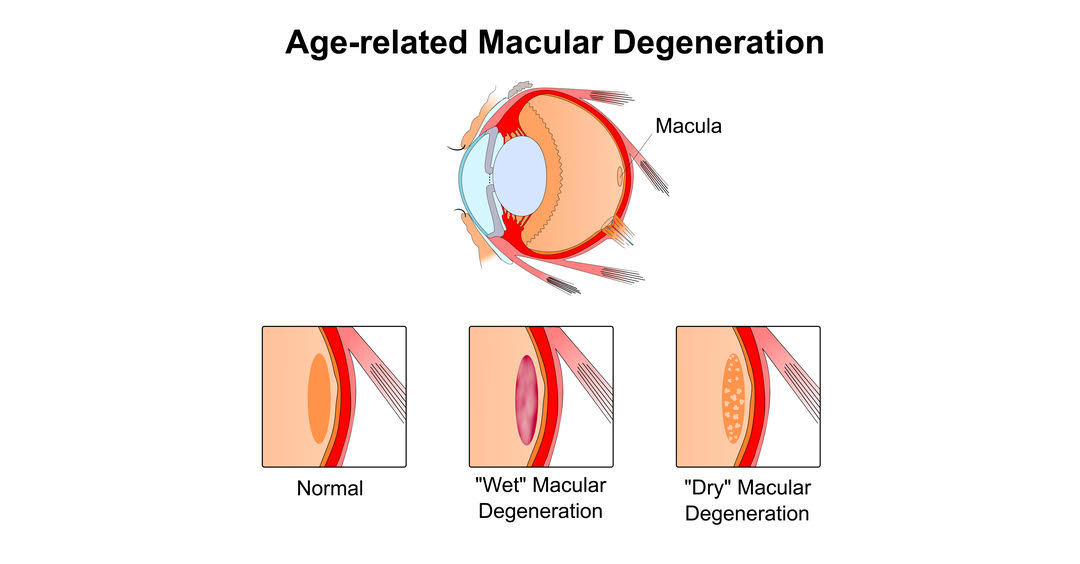
Age-Related Macular Degeneration (AMD) is the leading cause of blindness in seniors. The disease harms central vision and limits a person’s ability to read, write and recognize faces. Older Americans who are unaware of the disease may be putting themselves at risk. The good news is that they can protect their sight with routine eye exams and some lifestyle changes. New treatments and protective steps can help people with AMD avoid vision loss. Here are some facts we think you should know:
§ The early warning signs of macular degeneration are subtle and easy to miss
In the earliest stages of AMD, you may not notice any changes to your eyes or vision. But at the same time, an early diagnosis allows for timely treatment. So how can you be sure to catch the disease early without obvious symptoms? The best defense is to get a comprehensive eye exam, even if you don't need glasses or contacts. The American Academy of Ophthalmology urges adults with no symptoms to have an eye exam at least by age 40. After age 65, it's important to get an exam every one to two years. But don't wait until age 40 if you notice problems with your eyesight or have eye discomfort.
§ Family history shapes your risk of macular degeneration
If you have a close family member with AMD, you have a greater risk of getting the disease. Before your next eye exam, speak with your family about their eye health history. Catching AMD early could better your chances of saving your sight.
§ You can't reverse vision loss from macular degeneration, but you can save your remaining vision
Fifteen years ago, there was little that we could do to stop AMD from stealing people's vision. The most advanced form of disease, called "wet" AMD because it causes fluid to leak from blood vessels in the eye, often caused blindness. Thanks to major advances in treatment, such as the use of anti-VEGF drugs, fewer people are going blind.
§ Vitamins can slow macular degeneration (in some cases)
If you have AMD, you may have heard that the AREDS 2 vitamin formula can help slow the disease. Clinical trials show that these vitamins for AMD can help with intermediate or advanced AMD in one eye. Trials have not shown that they prevent AMD in people who do not have the disease.
§ Smoking increases your risk of age-related macular degeneration
Many studies have found that smoking cigarettes can increase risk of AMD. Smoking also increases the speed at which the disease worsens. If you smoke, you are twice as likely to get AMD compared with a nonsmoker. The good news is that stopping smoking is the best action you can take to lower your risk of AMD. People who quit smoking 20 years ago have the same risk of AMD as people who have never smoked.
§ Daily vision checking at home is effective at monitoring AMD progression
The Amsler grid is a simple chart that people with dry AMD can use at home to check for changes. All you have to do is look at it once every day! Learn how to use the Amsler grid to track progression and risk of AMD-related vision loss.
§ Eating certain foods may cut your risk of macular degeneration
Studies have shown that foods rich in omega-3 fatty acids are good for eye health. Studies link eating these foods with a reduced risk of AMD-but not when taken as supplements. Other nutrients that help eye health include lutein, zeaxanthin, zinc and vitamin C.
§ Exercise can help protect your vision as you age
Many studies show getting regular exercise can benefit your eyes. One study found that exercising three times a
week reduced the risk of getting wet AMD by 70%. Studies also show that exercise reduces the risk of all stages of AMD.
If you
or someone you know has not had recent eye exam please schedule one at The Eye
Clinic of Texas at 800-423-3937, visit The Eye Clinic of Texas, or Facebook.
6 Tips for Using Glaucoma Eye Drops Effectively
Did you know that less than 50% of glaucoma patients use their eye drops properly and risk vision loss? Glaucoma is a leading cause of irreversible blindness in the United States. When glaucoma is treated in its early stages, vision loss can be prevented. Recent studies show that more than half of glaucoma patients do not adhere to their prescribed treatment plans due to factors including difficulty in applying eye drops, lack of medication education and forgetfulness. Here are 6 tips to help overcome glaucoma medication challenges:
If you or someone you know is over 40, or has other glaucoma risk factors please schedule a glaucoma eye exam at The Eye Clinic of Texas, an affiliate of Houston Eye Associates, at 800-423-3937, visit The Eye Clinic of Texas, or Facebook.
- Be honest with your eye doctor about your medication difficulties. Missed a dose? It may not seem to matter much, but research shows that skipping doses can cause your glaucoma to become more severe. Be candid with your eye doctor about any problems you face in taking your medicine regularly, and ask about the best way to make up for a missed dose. The more you tell your doctor, the better he or she can help you find ways to customize your treatment plan to make it more manageable for your lifestyle.
- Ask for help from health professionals and loved ones. It can be difficult to keep track of which meds to take and when. Talk with your ophthalmologist or pharmacist about your medications, their impact and possible side effects. Also, use the buddy system and tell your friends, family and caregivers about your condition and treatments. Consider taking a loved one or caregiver with you to your eye appointments, so they can help you follow your treatment plan when you're at home. They may also be able to help you apply your eye drops at home.
- Use memory aids. The most common reason for not taking eye drops is forgetfulness. Try simple memory aids like linking your eye drop schedule to other things you do routinely. For example, put your eye drop bottle next to your toothbrush or your pill box if you take other medications. Try using physical reminders such as marking off a calendar when you use your drops, or moving your eye drop bottle from one place to another after you've applied your drops. Also, take advantage of today's technology and set an alarm on your phone to help you make your medication a part of your daily routine, or look for free smartphone apps and other tools.
- Perfect the "pocket." Giving yourself eye drops can be challenging. In fact, research has shown that nearly 30 percent of people taking glaucoma medication are not properly applying their eye drops. This should involve gently pulling and pinching the lower lid to make a pocket to catch your drops. Once the drops are in, close your eyes (do not blink) and apply pressure to the point where the lids meet the nose for two to three minutes.
- Don't use pot as a glaucoma treatment. Don't fall for rumors that medical marijuana can replace glaucoma medications. Prescription medicated drops are much more effective at treating the condition and have fewer risks than marijuana. Marijuana can also affect memory, which could make it more difficult to remember your treatments.
If you or someone you know is over 40, or has other glaucoma risk factors please schedule a glaucoma eye exam at The Eye Clinic of Texas, an affiliate of Houston Eye Associates, at 800-423-3937, visit The Eye Clinic of Texas, or Facebook.
LASIK Game Changer
"I had a great experience with The Eye Clinic of Texas for LASIK! I hated wearing my glasses and was tired of keeping up with contact lenses at work. Complete game changer for my life, wish I would have done it sooner!” – Todd S.
If you or some you know is tired of the hassle of glasses or contact lenses for seeing at distance and would like to find out if LASIK or SMILE might be a good vision correction option, please call The Eye Clinic of Texas, an affiliate of Houston Eye Associates, at 800-423-3937, visit The Eye Clinic of Texas, or Facebook.
The Eye Clinic of Texas is an affiliate of Houston Eye Associates, the largest ophthalmology clinic in the nation. We are a leading eye care practice serving the greater Houston, League City and Texas City with offices at 1100 Gulf Freeway, Suite 114, League City, Texas 77573.
Tips for Computer Screen Eye Protection

Did you know that the average office worker spends 1,700 hours per year in front of a computer screen, without even considering the time spent on a phone or other digital device? All this screen time has led to an increase in complaints of eye strain, dry eye, headaches and insomnia. Computer use causes more eye strain than reading print material because focusing your eyes on computer screens or other digital screens is typically at less than ideal angles and distances and your blink rate decreases by a third to a half, causing dry eyes as well. Follow these simple tips for protecting your eyes from this computer screen eye strain:
Keep Your Distance: Keep the screen at arm’s length, about 25 inches away and position it so your eye gaze is slightly downward.
Reduce Glare: Use a matte screen filter to reduce glare.
Adjust Lighting: Adjust your room lighting to get the highest screen contrast increase the contrast on your screen as much as possible.
Take Breaks: Blink and follow the 20-20-20 rule. Take a break every 20 minutes by looking at an object 20 feet away for 20 seconds.
Keep Eyes Moist: Keep artificial tears nearby to lubricate your eyes when they feel dry.
Stop Screen Use Before Bed: Limit screen time one to two hours before bedtime and use nighttime settings on devices and computers that minimize blue light exposure.
If you experience consistently dry red eyes or eye pain at any time, but especially with computer screen use please schedule an eye exam at The Eye Clinic of Texas, an affiliate of Houston Eye Associates, at 800-423-3937, visit The Eye Clinic of Texas, or Facebook.
The Eye Clinic of Texas is an affiliate of Houston Eye Associates, the largest ophthalmology clinic in the nation. We are a leading eye care practice serving the greater Houston, League City and Texas City with offices at 1100 Gulf Freeway, Suite 114, League City, Texas 77573.
The Eye Clinic of Texas is an affiliate of Houston Eye Associates, the largest ophthalmology clinic in the nation. We are a leading eye care practice serving the greater Houston, League City and Texas City with offices at 1100 Gulf Freeway, Suite 114, League City, Texas 77573.
Cataract Surgery Improves Driving Safety
Did you know that cataract surgery actually improves driving safety? The ability of cataract surgery to restore sight is well known. Patients say they’re stunned by the vibrancy of color after surgery and the improvement in night vision. Depending on the type of lens implant (IOL) selected to correct your vision after cataract surgery many patients no longer even need to wear glasses, reading glasses or bifocals after cataract surgery. Researchers reporting at a recent
Meeting of the American Academy of Ophthalmology used a driving simulator to test patients’ vision before and after cataract surgery. They found that near misses and crashes decreased by 48 percent after surgery! While visual acuity-how well you see the eye chart-is quickly measured after cataract surgery, it’s an incomplete assessment of how visually able you might be to drive. Cataract surgery appears to improve quantity of vision, or visual acuity, as well as contrast sensitivity leading to better night vision and improving drivers’ safety on the road.
These results highlight the importance of timely cataract surgery in maintaining safety and continued mobility and independence in seniors. If you or someone you know is experiencing cataract symptom such as cloudy foggy vision, glare or difficult night driving and would like to learn more about cataract surgery & lens implants please schedule a cataract evaluation. Call The Eye Clinic of Texas, an affiliate of Houston Eye Associates, at 800-423-3937, visit The Eye Clinic of Texas, or Facebook.
The Eye Clinic of Texas is an affiliate of Houston Eye Associates, the largest ophthalmology clinic in the nation. We are a leading eye care practice serving the greater Houston, League City area with offices at 1100 Gulf Freeway, Suite 114, League City, Texas 77573.
Meeting of the American Academy of Ophthalmology used a driving simulator to test patients’ vision before and after cataract surgery. They found that near misses and crashes decreased by 48 percent after surgery! While visual acuity-how well you see the eye chart-is quickly measured after cataract surgery, it’s an incomplete assessment of how visually able you might be to drive. Cataract surgery appears to improve quantity of vision, or visual acuity, as well as contrast sensitivity leading to better night vision and improving drivers’ safety on the road.
These results highlight the importance of timely cataract surgery in maintaining safety and continued mobility and independence in seniors. If you or someone you know is experiencing cataract symptom such as cloudy foggy vision, glare or difficult night driving and would like to learn more about cataract surgery & lens implants please schedule a cataract evaluation. Call The Eye Clinic of Texas, an affiliate of Houston Eye Associates, at 800-423-3937, visit The Eye Clinic of Texas, or Facebook.
The Eye Clinic of Texas is an affiliate of Houston Eye Associates, the largest ophthalmology clinic in the nation. We are a leading eye care practice serving the greater Houston, League City area with offices at 1100 Gulf Freeway, Suite 114, League City, Texas 77573.
Sleep Apnea & Diabetic Eye Problems?

If you have diabetes, did you know that having severe sleep apnea may increase your risk of developing diabetic macular edema, a complication of diabetes that can cause vision loss or blindness? Diabetic Macular Edema (DME) also appears to be more difficult to treat in patients with severe sleep apnea according to reports from researchers at the Annual Meeting of the American Academy of Ophthalmology.
Sleep apnea is a sleep disorder in which breathing repeatedly stops and starts, disrupting sleep and causing blood oxygen levels to drop. This drop in oxygen appears to unleash a host of changes in the body that may play a role in injuring blood vessels. People with sleep apnea are at risk of developing hypertension, heart attacks, stroke and type 2 diabetes. When people with diabetes have poor control over their blood sugar levels, the tiny blood vessels at the back of the eye can become damaged. Sometimes, tiny bulges protrude from the blood vessels, leaking fluid and blood into the retina. This fluid can cause swelling or edema-called Diabetic Macular Edema (DME) in an area of the retina that allows us to see clearly. Researchers believe that sleep apnea may contribute to the development and worsening of diabetic retinopathy by increasing insulin resistance, elevating inflammation and raising blood pressure, all of which can damage the blood vessels at the back of the eye.
If you or someone you know is diabetic and especially if you suffer from sleep apnea, please be sure to have an annual eye exam and be tell your eye doctor that you suffer from sleep apnea as it is a risk factor Diabetic Macular Edema (DME). Please call us to schedule a diabetic eye exam at The Eye Clinic of Texas, an affiliate of Houston Eye Associates, at 800-423-3937, visit The Eye Clinic of Texas, or Facebook.
The Eye Clinic of Texas is an affiliate of Houston Eye Associates, the largest ophthalmology clinic in the nation. We are a leading eye care practice serving the greater Houston, League City and Texas City with offices at 1100 Gulf Freeway, Suite 114, League City, Texas 77573.
Diabetics Need Annual Eye Exams!

Diabetes and the related diabetic eye problem of diabetic retinopathy is the leading cause preventable blindness in the United States among adults age 20 to 74. About 1/3 of the 30 million Americans with diabetes have diabetic retinopathy. With early detection and treatment vision loss from diabetes is preventable! Often, people may not notice vision changes in the disease's early stages. But as it progresses, diabetic retinopathy usually causes vision loss that in many cases cannot be reversed. Even if you don’t notice changes in your vision-diabetics should have annual eye exams. That’s why it’s so important that everyone with diabetes has yearly exams for early detection. But the U.S. Centers for Disease Control and Prevention still reports that less than 2/3 of people with diabetes undergo their recommended annual dilated ophthalmic examination. We all lead busy lives but diabetics need annual eye exams to prevent vision loss.
If you or someone you know is diabetic please remind them to have an annual eye exam or call us to schedule a diabetic eye exam at The Eye Clinic of Texas, an affiliate of Houston Eye Associates, at 800-423-3937, visit The Eye Clinic of Texas, or Facebook.
The Eye Clinic of Texas is an affiliate of Houston Eye Associates, the largest ophthalmology clinic in the nation. We are a leading eye care practice serving the greater Houston, League City with offices at 1100 Gulf Freeway, Suite 114, League City, Texas 77573.
Avoid Eye Injury from Halloween Contacts
Spooky contact lenses can complete your Halloween costume. But beware of the dangers of illegal costume contact lenses lurking on store shelves and invading online retailers. Though the federal government works to keep illegal and harmful versions of decorative or color contact lenses off the shelves, they can still be purchased at costume shops, gas stations, corner shops and online. Here’s an easy way to tell if your lenses are counterfeit: Can you purchase them without a prescription? If the answer is yes, those creepy lenses are a danger to your vision.
That's why the American Academy of Ophthalmology is urging people to buy decorative contact lenses only from retailers who require a prescription and sell FDA-approved products. It’s easy to forget that decorative lenses are medical devices, not costume jewelry. They must be prescribed and fitted by an eye care professional, just like regular contact lenses. That's because a poorly fitted contact lens can easily scrape the cornea, the outer layer of the eye, making the eye more vulnerable to infection-causing bacteria and viruses. Research shows that people who purchase contacts without a prescription face a 16-fold increased risk of developing an infection.To help ensure you won’t be haunted by a ghoulish and painful contact lens-related eye infection, here are some tips to follow:
- See an Eye Care Professional for a Prescription for Costume Contact Lenses. Packaging that claims “one size fits all” or “no need to see an eye doctor” is false. Get properly fitted by an ophthalmologist or optometrist.
- Buy Only FDA-approved Contacts. Buy contacts only from eye care professionals or retailers that require a prescription and sell FDA-approved lenses.
- Never Share Contacts. Sharing contacts can spread germs and bacteria, potentially causing blinding corneal infections and even pink eye.
- Practice Good Hygiene. It is important to follow directions for cleaning, disinfecting and wearing costume contacts. See an eye doctor right away if you notice any swelling, redness, pain or discharge from wearing contacts.
- Limit Wear of Colored Contact Lenses to 4-5 Hours. The dye and less expensive materials used in costume lenses can restrict oxygen flow to the cornea. Less “breathable” lenses are less healthy for the eye. Never sleep in contact lenses, even if you have a prescription.
- Spread the Word About the Dangers of Costume Contacts. Don’t let friends make the mistake of wearing costume contacts without a prescription. It can cost them their vision.
The Eye Clinic of Texas is an affiliate of Houston Eye Associates, the largest ophthalmology clinic in the nation. We are a leading eye care practice serving the greater Houston, League City and Texas City with offices at 1100 Gulf Freeway, Suite 114, League City, Texas 77573 and 7111 Medical Center Drive, Suite 110, Texas City, Texas 77590.
Subscribe to:
Posts (Atom)
Eye Drops for Droopy Eyelids
Did you know that there is a prescription eye drop to help droopy eyelids? It is estimated that 10-12% of adults have a droopy eyelid, but m...

-
Diabetic retinopathy (DR) is one of the leading causes of preventable blindness globally. Yet, many diabetic patients still do not schedul...
-
What do droopy, saggy eyelids and eyelid surgery have to do with headaches? While you might think that eyelid surgery or blepharoplasty is...
-
Is Your Doctor Prescribing the Wrong Treatment for Pink Eye? Based on our own experiences as well as recommendations of the American Aca...
-
 Did you know that there is a prescription eye drop to help droopy eyelids? It is estimated that 10-12% of adults have a droopy eyelid, but m...
 -
“Getting LASIK done by Dr. Milstein was one of the best decisions I have made. I have not had to wear glasses or contacts in 27 years. Also,...
-
“I was referred by two co-workers/friends that had LASIK done here and boy was I glad I took them up on the referral. I scheduled my consu...
-
We perform cataract surgery and lens implantation for more and more patients each year as cataracts continue to be a leading cause of decr...
-
Retinal Artery Blockage May Warn of Impending Stroke A certain retinal vessel disease may be a warning of an impending stroke! When an a...
-
“Dr. Van is an absolute miracle worker! I could not fathom that because my vision was so terrible and had always been that way that havi...
-
Mary B tells us about her cataract surgery. “I was having trouble driving because I had developed cataracts. It had reached the poi...